
The thyroid gland plays a crucial role in regulating metabolism, energy, and overall hormonal balance. Many people seek natural ways to support thyroid health, often turning to traditional remedies involving spices and herbal teas. Ingredients like garlic, cloves, and certain herbal infusions have been linked in folk medicine to potential benefits for the thyroid. This article explores these natural components and practical ways to include them in your wellness routine.
Understanding Thyroid Health and Its Importance
The thyroid is a butterfly-shaped gland located in the neck that produces hormones essential for regulating metabolism, heart rate, and body temperature. Maintaining thyroid health is important because imbalances can lead to conditions such as hypothyroidism or hyperthyroidism, which affect energy levels and overall well-being.
Main Wellness Benefits of Garlic, Cloves, and Herbal Tea for Thyroid Support
- Garlic: Known for its antioxidant and anti-inflammatory properties, garlic may help reduce oxidative stress, which can affect thyroid function. It also supports immune health, which is important since some thyroid issues have autoimmune origins.
- Cloves: Cloves contain compounds that offer anti-inflammatory effects and antioxidants that may help protect thyroid tissue from damage.
- Herbal Tea: Herbal teas infused with ingredients like cloves and garlic can provide a soothing way to consume these beneficial compounds. Warm liquids also promote hydration and comfort.
Incorporating These Ingredients into Daily Life
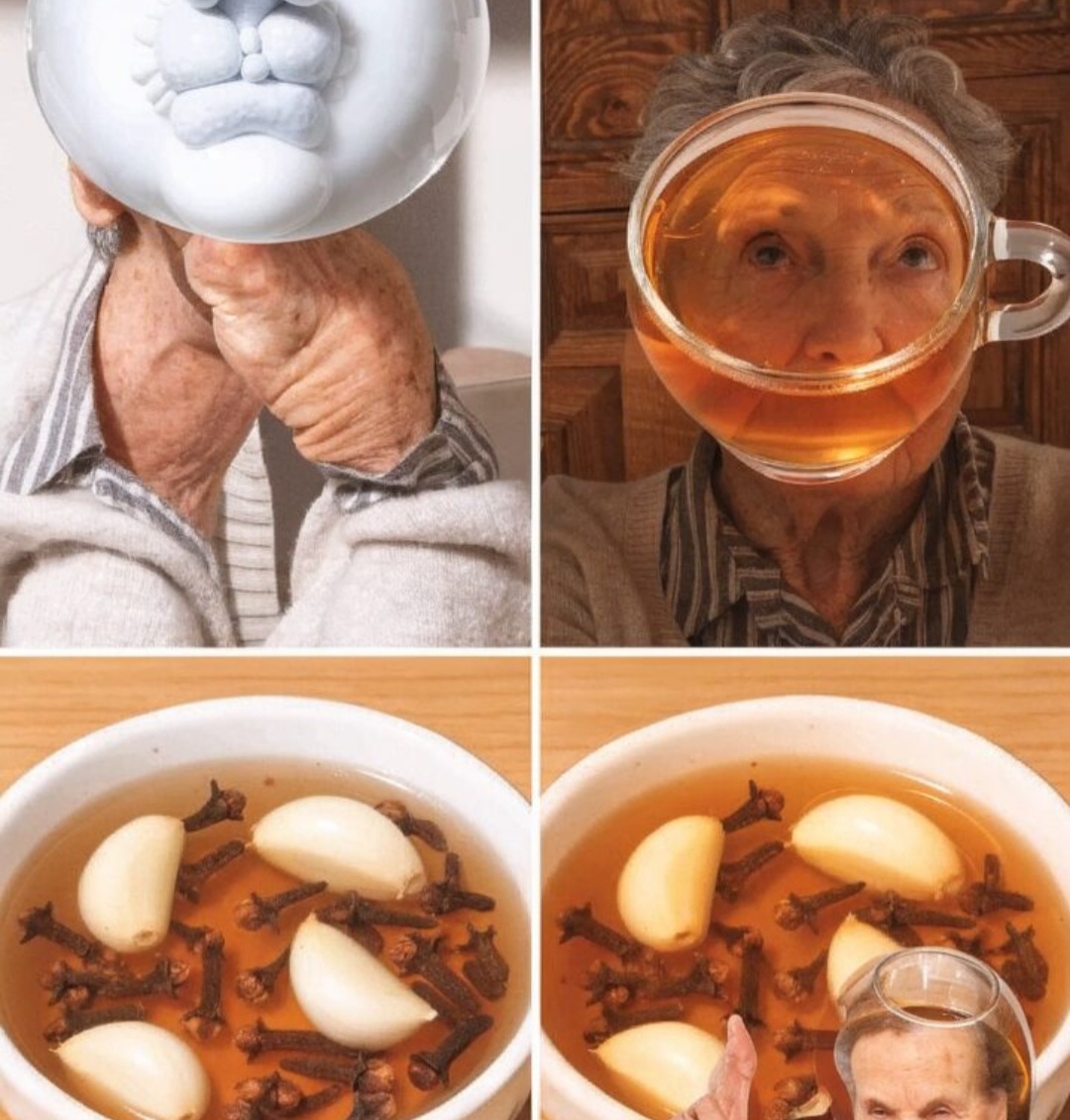
You can prepare a simple herbal infusion by combining peeled garlic cloves and whole cloves in hot water. Let the mixture steep for several minutes to create a flavorful tea. Drinking this tea once daily may be a gentle way to include these ingredients in your diet.
Garlic can also be consumed raw, cooked, or added to various dishes, while cloves can be used as a spice in cooking or steeped in hot beverages.
Important Considerations and Limitations
While garlic and cloves have health-promoting properties, they are not a cure for thyroid diseases. It is essential to continue following medical advice and prescribed treatments for any thyroid condition. Excessive consumption of garlic or cloves may cause digestive discomfort or interact with certain medications.
Before starting any new herbal regimen, especially if you have thyroid issues or other health conditions, consult with a healthcare professional to ensure safety and appropriateness.
Useful Tips for Best Results
- Use fresh garlic and whole cloves for maximum potency.
- Start with small amounts to assess tolerance.
- Drink the herbal tea warm for soothing effects.
- Maintain a balanced diet rich in iodine, selenium, and other nutrients important for thyroid health.
- Monitor any changes in symptoms and report them to your healthcare provider.
Frequently Asked Questions
Can garlic and cloves improve thyroid function directly?
There is no conclusive scientific evidence that garlic and cloves directly improve thyroid hormone levels, but their antioxidant and anti-inflammatory properties may support overall thyroid health.
Is it safe to drink garlic and clove tea daily?
For most people, moderate daily consumption is safe, but individual tolerance varies. Consult a healthcare provider if you have concerns or existing health conditions.
Can these natural remedies replace thyroid medication?
No. Natural remedies should not replace prescribed thyroid treatments. They may be used as complementary approaches under medical supervision.
Are there any side effects of consuming garlic and cloves?
Possible side effects include digestive upset, allergic reactions, or interactions with blood-thinning medications. Use caution and consult a healthcare professional if needed.
Conclusion
Garlic, cloves, and herbal teas can be enjoyable and potentially supportive additions to a thyroid-friendly lifestyle. While they offer antioxidant and anti-inflammatory benefits, they should complement—not replace—medical treatment for thyroid conditions. Incorporate these ingredients thoughtfully and consult healthcare professionals to ensure they fit your individual